Most workshops close for a week or two over Christmas. That’s a long time for drums of used oil and coolant to sit in a locked, unattended building. The safest move is to clear your liquid waste before you shut the roller door.
This checklist covers used oil disposal, coolant disposal and battery storage, so your workshop closes clean and opens without surprises.
Key Takeaways
- Book your used oil and coolant collection early. Collectors get busy in the last weeks before Christmas.
- Used engine oil and coolant are regulated waste. They must go with a licensed carrier, never down a drain or into general waste.
- Keep oil and coolant in separate, labelled, sealed containers on a bund or spill tray.
- Send old lead-acid batteries to a licensed battery recycler before you close. Don’t leave them stacked outside.
- Keep your disposal paperwork. It’s your proof of compliance.
Why Clear Waste Before the Christmas Shutdown?
A full drum of oil left over the break is a risk you don’t need. Summer heat, storms and an empty site can turn a small leak into a big clean-up.
- Spills can reach stormwater drains while no one is there to stop them.
- Full drums mean no spare capacity when you reopen in January.
- Flammable and hazardous liquids stored in bulk raise fire risk in a closed building.
- Environmental regulators can fine businesses for pollution, even if it was an accident.
Clearing it out first means you start the new year with empty containers and a clean floor.
Step 1: Book Your Used Oil Disposal Early
December is a busy month for waste collectors. Many workshops try to book in the same final week. Lock in your pick-up date in late November or early December.
Before you call, have this ready:
- An estimate of how much used oil you’ll have (in litres or drums)
- Your last trading day and site access times
- Any other liquid waste going in the same collection, such as transmission fluid or fuel residues
Ace Waste collects used engine oil and other lubricants from mechanic workshops across Brisbane, with supplied containers and no minimum contract.
Step 2: Get Engine Oil Disposal Right
Engine oil disposal is simple when you follow a few rules.
- Never mix waste streams – Keep engine oil away from coolant, solvents and brake cleaner. Mixed waste is harder to treat and can cost more.
- Use sealed, labelled containers – Lids on, labels facing out.
- Store on a bund or spill tray – It should hold the volume of your largest container.
- Drain oil filters and catch drips – Use drip trays under every vehicle.
- Keep it inside – Store drums undercover and away from floor drains and doorways.
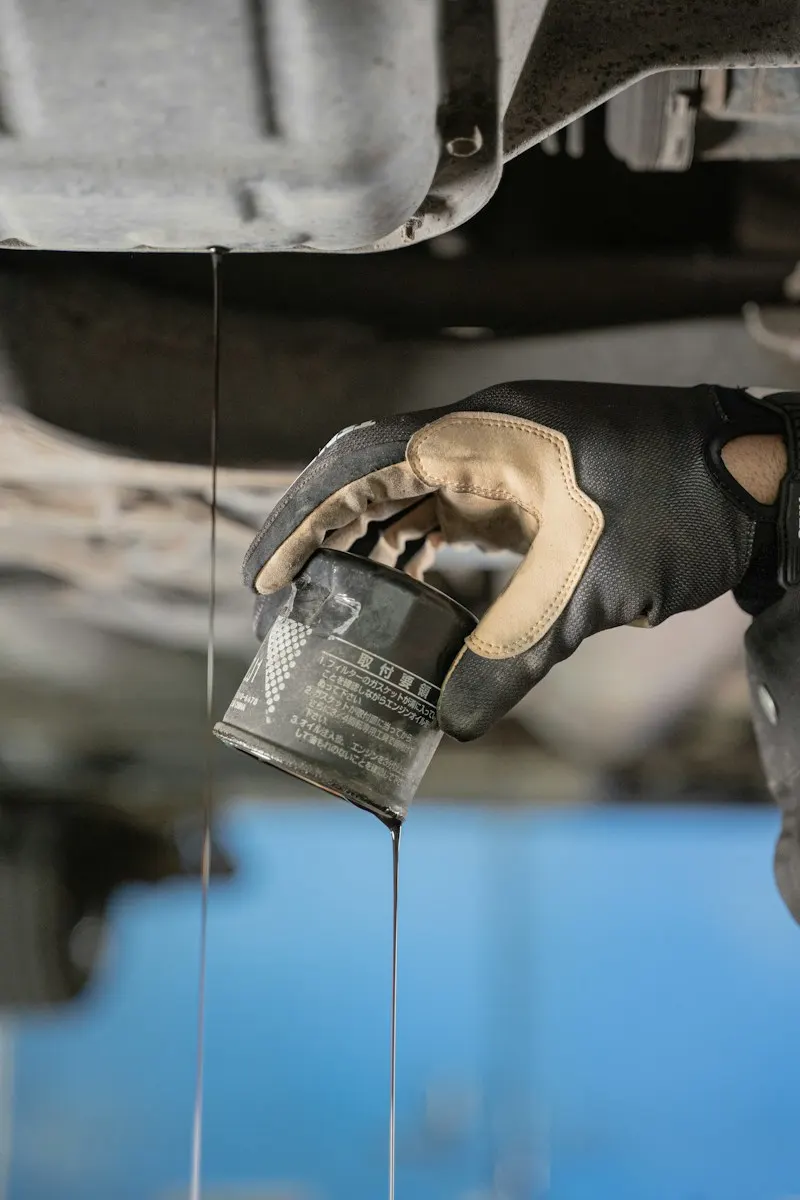
Used oil can never go into stormwater, sewer or a skip bin. It must be collected by a licensed transporter and taken to an approved facility.
Step 3: Separate and Store Coolant for Disposal
Waste coolant and antifreeze picks up heavy metals from engines. That makes it hazardous, even if it looks harmless.
For safe coolant disposal:
- Collect coolant in its own container. Don’t top it into the oil drum.
- Keep it sealed. Coolant is sweet-smelling and toxic to pets and wildlife.
- Label the container clearly as waste coolant.
- Book it into the same pick-up as your used oil to save a second trip.
Ace Waste lists coolants and glycols under its hazardous waste disposal service, along with oils, emulsions and hydrocarbon-contaminated sludges.
Step 4: Deal With Old Batteries
Old lead-acid batteries hold acid and lead. They should leave the site before you close.
- Store batteries upright, inside and on a non-metal surface.
- Don’t stack them outside where rain can reach them.
- Tape or cap terminals to stop short circuits.
- Send them to a licensed battery recycler before your last day.
- Clean up any leaked battery acid with an acid spill kit, then bag the waste for hazardous collection.

Step 5: Clear the Rest of the Workshop
While you’re at it, clear the smaller waste streams that build up over the year:
- Oily rags and used spill absorbents
- Solvents, degreasers and brake cleaner
- Fuel residues from drained tanks
- Contaminated parts
Check your spill kit is stocked so it’s ready on day one in January.
Step 6: Keep Your Paperwork
Your waste records show you disposed of regulated waste the right way. Keep collection dockets and disposal records on file. If a regulator or insurer asks, you can show them in minutes.
Ace Waste’s Live™ Tracking System lets you track your collection in real time.
Your Pre-Christmas Workshop Checklist
- Used oil collection booked
- Coolant stored separately and booked in
- Batteries sent to a recycler
- Rags, absorbents and solvents bagged for collection
- Drums sealed, labelled and on bunding
- Floor drains checked and clear of spills
- Spill kit restocked
- Paperwork filed
Book Your Pre-Shutdown Collection
Don’t leave used oil and coolant sitting in your workshop over the break. Ace Waste services workshops from its Brisbane facility.
Get a quote or call 1300 850 901 to book your collection before Christmas.
Frequently Asked Questions
1) Can I pour used engine oil down the drain?
No. Used engine oil must never go into stormwater, sewer or general waste. It needs to be collected by a licensed waste transporter and taken to an approved facility.
2) Can I mix used oil and coolant in one drum?
No. Keep them in separate containers. Mixed waste is harder to treat and may cost more to dispose of.
3) Is coolant hazardous waste?
Yes. Used coolant and antifreeze carries heavy metals from engines and is treated as hazardous liquid waste. It needs proper collection and disposal.
4) When should I book used oil disposal before Christmas?
Book in late November or early December. Collectors get busy in the final weeks before the holiday break.
5) What should I do with old car batteries?
Store them upright and indoors, cap the terminals, and send them to a licensed battery recycler before you close for the break.