Infectious waste is any waste that contains, or may contain, pathogens (bacteria, viruses, or other microorganisms) in high enough concentrations to cause disease in humans. It is a subset of clinical waste and includes anything contaminated with blood, body fluids or other potentially infectious material. Because it can transmit disease, infectious waste cannot go in general rubbish or to landfill. It must be treated and disposed of through a licensed provider.
For Australian businesses that generate it, understanding infectious waste is the first step to staying safe and compliant. Here is a clear breakdown.
What counts as infectious waste?
Infectious waste is material that has the potential to cause disease because it is contaminated with infectious agents. A useful rule of thumb: if an item has come into contact with blood, body fluids or infectious material, treat it as infectious waste.
Common examples include:
- Blood, body fluids and items soaked or contaminated with them
- Used sharps such as needles, syringes and scalpel blades
- Human tissue and pathological waste
- Laboratory cultures and specimens
- Dressings, swabs, gloves and tubing contaminated with infectious material
- Certain animal waste and carcasses from veterinary or research settings
Items that have not been in contact with infectious material, such as clean packaging, paper towels or general office rubbish, are not infectious waste, even when they come from a healthcare setting.
Where does infectious waste come from?
Infectious waste is not limited to hospitals. It is generated across a wide range of Australian businesses, including:
- Hospitals and medical centres
- GP clinics and dental practices
- Veterinary clinics
- Pathology and research laboratories
- Aged care homes
- Tattoo and body-piercing studios
- Beauty and cosmetic clinics
Any business where skin is penetrated, or where staff handle blood or body fluids, is likely producing infectious waste as a routine part of its work.
Infectious waste vs clinical waste: what’s the difference?
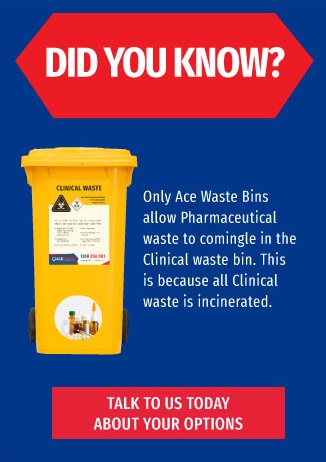
The terms are often used interchangeably, and infectious waste is a category within the broader clinical waste stream. Clinical waste covers all waste with the potential to cause injury, infection or offence, which includes infectious waste, sharps, human tissue and pharmaceutical waste. Infectious waste refers specifically to the portion carrying a risk of transmitting disease.
In practice, most clinical infectious waste is managed the same way: segregated at the source, stored securely and destroyed by an approved treatment method.
How is infectious waste managed and disposed of?
Safe management follows a clear sequence from the point of generation to final disposal.
- Segregation – Infectious waste is separated at the source into yellow, Australian Standard clinical waste containers marked with the biohazard symbol. Sharps go into rigid, puncture-resistant sharps containers. Keeping it out of general waste is a legal requirement, not just good practice.
- Storage – Sealed containers are kept in a secure, designated area away from public access until collection, which protects staff from needle-stick injuries and exposure.
- Transport – An EPA-licensed provider collects the waste and transports it in compliance with the Australian Dangerous Goods Code.
- Treatment and disposal – Before final disposal, infectious waste must be treated to destroy pathogens. The two main methods are high-temperature incineration, which burns the waste down to an inert ash, and autoclaving, which sterilises it with steam. Infectious waste must never be sent directly to landfill.
Why proper infectious waste disposal matters
Getting infectious waste management right protects three things at once: your staff, the public and the environment. Poor handling risks the spread of disease, needle-stick injuries and environmental contamination. It also carries real regulatory consequences, as clinical and infectious waste is closely regulated by state EPAs, and breaches can lead to significant penalties during an audit.
For most businesses, partnering with a licensed specialist is the simplest way to meet these obligations with confidence.
How Ace Waste helps
Ace Waste has been managing clinical and infectious waste since 1987, and operates high-temperature incineration facilities in Brisbane and Melbourne, including one of Australia’s largest waste incinerators.
Our clinical waste disposal service covers the full process, from supplying the correct colour-coded bins and sharps containers through to compliant collection and complete thermal destruction, all in line with Australian standards and EPA requirements. We work directly with hospitals, dental practices, GPs, vet clinics, aged care homes and laboratories.
Through a waste management audit, our team can also review how your waste is currently handled, identify compliance gaps and recommend the right containers and collection frequency for your needs.
Get your infectious waste handled safely
Infectious waste management does not have to be complicated. With proper segregation, secure storage and an EPA-licensed disposal partner, you can meet your obligations and keep everyone safe.
Not sure whether your waste is compliant, or how to set up the right collection schedule? Get a quote from Ace Waste today and let our experienced team take care of it.
Frequently Asked Questions
1) What is infectious waste?
Infectious waste is any waste that contains, or may contain, pathogens in high enough concentrations to cause disease in humans. It includes anything contaminated with blood, body fluids or infectious material, such as used sharps, dressings, laboratory cultures and human tissue.
2) Is infectious waste the same as clinical waste
Not exactly. Infectious waste is one category within the broader clinical waste stream. Clinical waste also includes sharps, human tissue and pharmaceutical waste, while infectious waste refers specifically to material that can transmit disease.
3) Can infectious waste go in general rubbish?
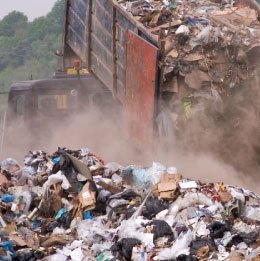
No. Infectious waste must be segregated into clinical waste containers and can never be placed in general rubbish or sent to landfill. Mixing it with general waste creates a contamination risk and can result in penalties.
4) How is infectious waste treated before disposal?
It must be treated to destroy pathogens before final disposal. The two most common methods in Australia are high-temperature incineration and autoclaving (steam sterilisation), carried out at a licensed facility.
5) Which businesses produce infectious waste?
Hospitals, GP and dental clinics, vet clinics, laboratories, aged care homes, tattoo studios and beauty clinics all generate infectious waste. Any business handling blood, body fluids or penetrating the skin is likely producing it.