Biosecurity waste, also called quarantine waste, is any material that could carry exotic pests, weeds or diseases into Australia. It includes food scraps, plant and animal material, timber, pallets, packaging and refuse from international ships and aircraft, plus goods seized at the border. Under the Commonwealth Biosecurity Act 2015, it must be kept in sealed, labelled containers, moved by an approved transporter, and destroyed at a facility approved by the Department of Agriculture, Fisheries and Forestry (DAFF). Approved treatments are high-temperature incineration, deep burial or autoclaving.
What is biosecurity waste?
Biosecurity waste is waste that poses a risk to Australia’s farms, native environment, economy or public health because it may carry pests, diseases or invasive species from overseas.
The two terms mean the same thing. “Quarantine waste” is the older name that most people in ports and airports still use. “Biosecurity waste” is the term used since the Biosecurity Act 2015 replaced the Quarantine Act 1908. Government guidance now asks that new bins and signs use the word “biosecurity”, but containers marked either “biosecurity waste” or “quarantine waste” are accepted.
Australia is free of many pests and diseases that are common overseas, such as foot-and-mouth disease and many fruit flies. One discarded sandwich from an overseas flight, or a timber pallet carrying wood-boring insects, can be enough to start an outbreak. That is why this waste stream is controlled at a federal level, not left to local councils.
What counts as biosecurity or quarantine waste?
Biosecurity waste usually falls into three groups.
1. Organic quarantine waste
- Food scraps and leftover meals from international flights and vessels
- Fruit, vegetables, seeds and nuts
- Meat, dairy and egg products
- Plant material, soil and plant by-products
- Animal material, animal by-products, bedding and manure
2. Non-organic quarantine waste
- Timber, dunnage and wooden pallets
- Packaging and wrapping from imported goods
- Plastics and other items that have touched biosecurity risk material
- Shipping apparatus that arrived with imported freight
3. Seized and confiscated goods
- Items surrendered or seized during border inspections at airports, seaports and mail centres
- Goods that failed import conditions and were ordered to be destroyed
- Items that came into contact with biosecurity waste and must now be treated the same way
A simple rule: if it came from overseas and could carry a pest, seed, spore or disease, treat it as biosecurity waste until an officer says otherwise. Anything ordinary that is mixed with it becomes biosecurity waste too. That is why keeping it separate from general rubbish matters so much.
Who produces biosecurity waste?
Biosecurity waste is produced wherever overseas goods, people or vessels first arrive, and wherever imported goods are opened or inspected. Common sources include:
- International and domestic airports, including aircraft catering waste
- Seaports, cruise terminals and international shipping vessels
- Container depots, freight forwarders and import warehouses
- Food processing plants handling imported ingredients
- Laboratories and research facilities working with imported biological material
- Universities and academic institutions
- Import and export government authorities
If your site handles goods subject to biosecurity control, you may already operate under a DAFF approved arrangement, and your waste duties are part of those conditions.
Who regulates biosecurity waste in Australia?
The Australian Government regulates biosecurity waste. The Biosecurity Act 2015 is administered by the Department of Agriculture, Fisheries and Forestry (DAFF), working with the Australian Border Force at the border.
DAFF manages this mainly through approved arrangements. These are agreements that let businesses carry out biosecurity activities under set conditions, then be audited against them. Several classes relate directly to waste, including:
| Approved arrangement class | What it covers |
|---|---|
| Class 8.1 | Incineration of biosecurity waste |
| Class 8.2 | Burial of biosecurity waste |
| Class 10.6 | Transport of biosecurity waste |
State environment agencies still play a part. For example, the NSW EPA notes that the Commonwealth controls the quarantine side, while state rules apply to the waste’s other features, such as whether it is also clinical, hazardous or liquid waste. In practice, this means biosecurity waste can carry two sets of obligations: federal biosecurity rules plus state EPA transport and disposal rules.
How is biosecurity waste disposed of in Australia?
Biosecurity waste cannot go to normal landfill or recycling. It must go through a controlled chain from the point it is created to the point it is destroyed.
Step 1: Segregation at the source
Biosecurity waste is separated from all other waste where it is produced, such as the aircraft galley, the ship, the inspection bench or the freight depot. Mixing it with general waste turns the whole load into biosecurity waste and adds cost.
Step 2: Approved containers
DAFF conditions require bins used to collect biosecurity waste to be:
- Durable and well maintained
- Leak-proof
- Vermin-proof
- Easy to empty and clean
- Clearly marked “biosecurity waste” or “quarantine waste”
Bags must be clearly marked or easy to identify, and securely tied once full.
Step 3: Secure transport
Waste is moved by a transporter operating under the relevant approved arrangement. Vehicle doors and tailgates must be closed and secured before leaving the collection site, and drivers must carry gear to deal with any spill. The load must be delivered directly to an approved treatment facility.
Step 4: Approved treatment
DAFF recognises three treatment methods for biosecurity waste:
- High-temperature incineration – Waste is burned at high temperature in a purpose-built incinerator with air pollution controls. This destroys pests, seeds, spores and pathogens and greatly reduces the waste volume. It suits almost every type of biosecurity waste, including mixed loads.
- Deep burial – Waste is buried at an approved site and covered straight away so birds and animals cannot reach it. This is used for some bulk materials but needs land, strict site controls and ongoing monitoring.
- Autoclaving – Waste is sterilised with pressurised steam. It is effective for some biological material, but the treated waste still has to go somewhere afterwards.
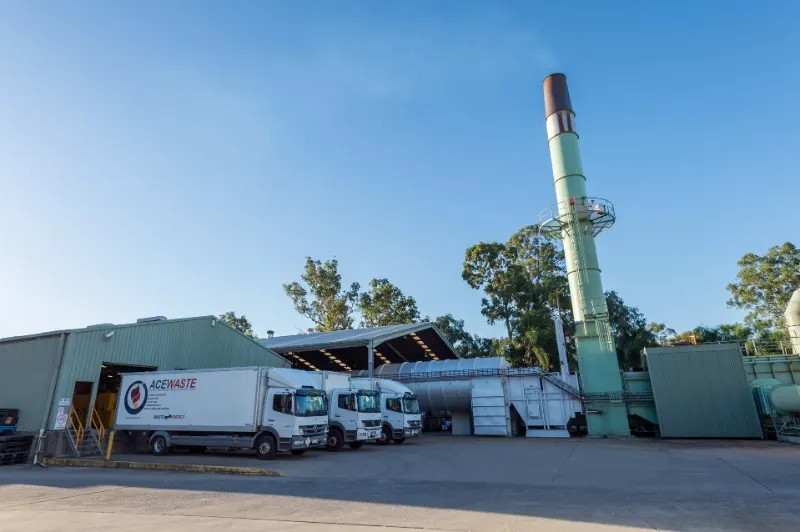
For mixed loads from ships, aircraft and border inspections, high-temperature incineration is the most common and complete option because nothing viable remains afterwards.
Step 5: Records and traceability
Every movement should be documented, from pick-up through to destruction. Good records protect you in a DAFF audit and show your waste was handled correctly at every stage.
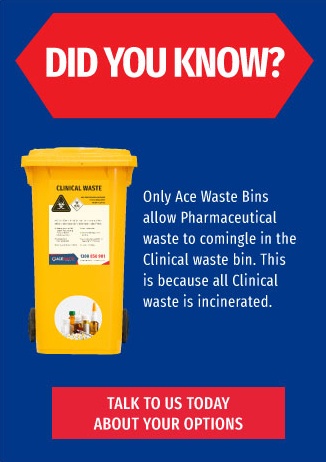
Biosecurity waste vs clinical waste: what is the difference?
The two are often confused because both can carry disease and both are often incinerated.
| Biosecurity (quarantine) waste | Clinical waste | |
|---|---|---|
| Main risk | Exotic pests, weeds and animal or plant diseases entering Australia | Infection and injury to people |
| Typical sources | Ports, airports, vessels, import depots, labs | Hospitals, GPs, dental, aged care, vets |
| Main regulator | Commonwealth (DAFF, Biosecurity Act 2015) | State and territory EPAs and health departments |
| Container marking | “Biosecurity waste” or “Quarantine waste” | Yellow bins with the biohazard symbol |
Some waste is both. For example, imported biological material from a laboratory can be clinical waste and biosecurity waste at the same time, so it must meet both sets of rules.
What happens if biosecurity waste is not disposed of correctly?
Getting it wrong can lead to:
- Pest and disease outbreaks that harm farms, native wildlife and food exports
- Penalties under the Biosecurity Act 2015, which are among the toughest in Australian environmental law
- Suspension or cancellation of an approved arrangement, which can stop a depot or port operator from trading in imported goods
- Higher costs, because any general waste mixed with biosecurity waste must also be treated as biosecurity waste
Common mistakes to avoid
- Putting galley or vessel food waste into general waste bins on the wharf or apron
- Using unmarked or damaged bins with loose lids
- Leaving bags untied, or letting bins overflow so birds and rodents can reach them
- Storing biosecurity waste in open areas while waiting for collection
- Using a waste contractor that is not approved to transport or treat biosecurity waste
- Not keeping records of collection and destruction
How Ace Waste handles biosecurity waste
Ace Waste has been managing regulated waste streams in Australia since 1987 and offers dedicated biosecurity waste disposal across Queensland.
- Accredited service – Ace Waste is accredited by the federal agriculture department for biosecurity waste disposal.
- Our own high-temperature incinerators – Our Brisbane facility in Willawong runs high-temperature incineration with air pollution controls.
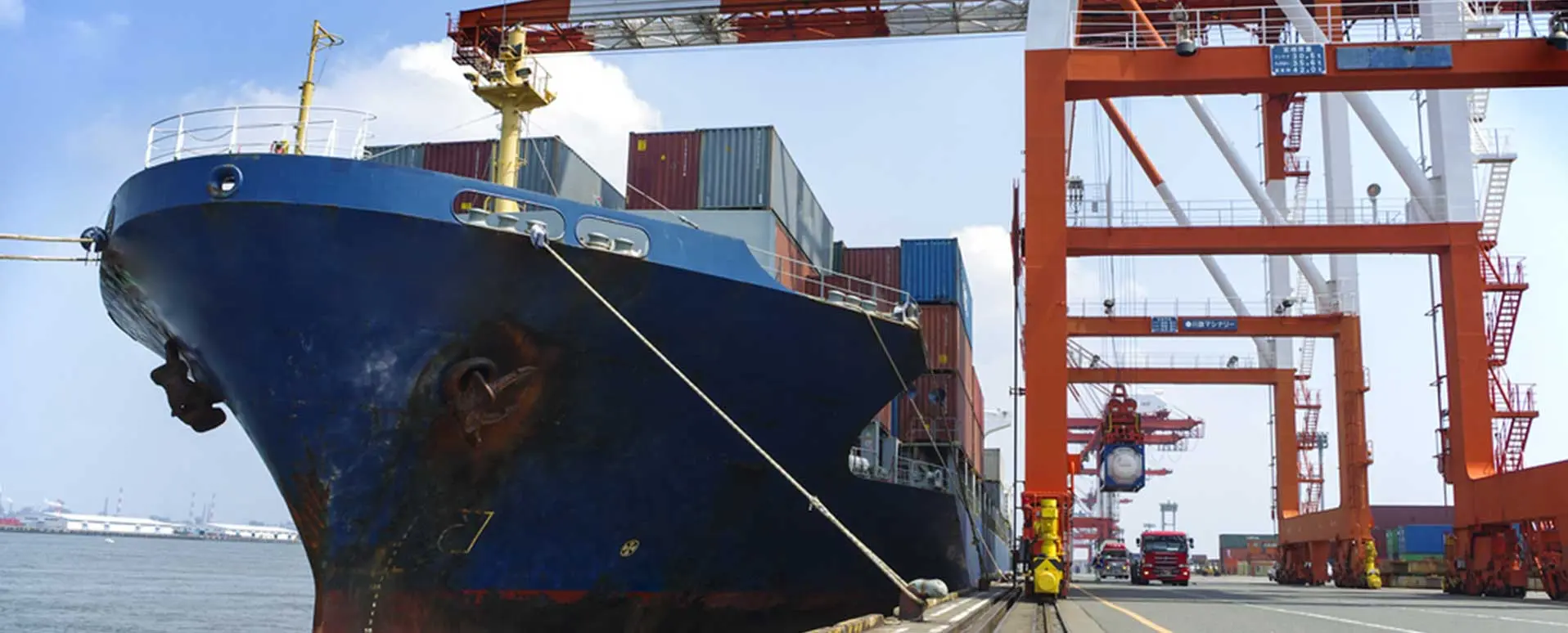
- Collection from vessels and first points of entry – We work with shipping companies to collect waste straight from vessels and from first-point-of-entry areas, offloaded into 240-litre containers.
- Licensed vehicles and trained staff – Waste is moved in licensed vehicles by staff trained to handle quarantine and biosecurity waste.
- Real-time tracking – Our Ace Waste Live system tracks each transfer and disposal, giving you a clear record for audits.
- Bins to suit your volumes – Choose from 240-litre bins and 1,100-litre containers. See our waste bins and containers.
We serve airports, shipping and ports, food processing plants, laboratories, academic institutions, import and export authorities and other commercial and industrial sites.
Need a biosecurity waste collection? Call 1300 850 901 or get a quote.
Frequently asked questions
1) What is biosecurity waste?
Biosecurity waste is any material that could carry exotic pests, weeds or diseases into Australia. It includes food, plant and animal material, timber, pallets, packaging and refuse from international vessels and aircraft, as well as goods seized at the border.
2) Is quarantine waste the same as biosecurity waste?
Yes. “Quarantine waste” is the older term from the Quarantine Act 1908. “Biosecurity waste” is the current term under the Biosecurity Act 2015. Both describe the same waste stream, and bins may be marked with either name.
3) Who regulates biosecurity waste in Australia?
The Australian Government regulates it under the Biosecurity Act 2015, through the Department of Agriculture, Fisheries and Forestry (DAFF). State EPAs may also regulate other features of the waste, such as whether it is hazardous or clinical.
4) How is biosecurity waste disposed of?
It must be collected in sealed, marked, leak-proof and vermin-proof containers, moved by an approved transporter, and destroyed at a DAFF-approved facility by high-temperature incineration, deep burial or autoclaving.
5) Can biosecurity waste go to normal landfill?
No. Biosecurity waste cannot go to general landfill or recycling. Burial is only allowed at a site approved for biosecurity waste burial, where waste is covered immediately.