If you manage a hospital ward, a dental practice, an aged care home or a busy industrial site in Brisbane, waste is one of those jobs that only get noticed when it goes wrong. A missed collection, an overflowing clinical bin or a compliance question from an auditor can turn a background task into an urgent problem.
This guide walks through how waste management in Brisbane actually works for commercial operators, where most businesses slip up, and what a properly run program looks like day to day.
Start by Knowing Your Waste Streams
Every waste management plan begins with segregation. Mixing streams is the single most expensive mistake a Brisbane business can make, because contaminated general waste must be treated at the level of its most hazardous component.
The main streams for healthcare and industrial sites are:
- Clinical waste: anything contaminated with blood or bodily fluids, including dressings, gloves and treatment consumables
- Sharps waste: needles, scalpels, lancets and broken contaminated glass, always in approved containers
- Cytotoxic waste: material contaminated by chemotherapy drugs, handled under stricter controls than standard clinical waste
- Pharmaceutical waste: expired or unwanted medicines that cannot go to landfill or down the drain
- Hazardous and liquid waste: solvents, oils, chemicals and trade waste common in workshops and manufacturing
- General commercial waste: everything that remains once the regulated streams are removed
Get the bins, signage and staff training right at the point of disposal, and everything downstream becomes simpler and cheaper.
Clinical Waste Disposal in Brisbane: Where Healthcare Sites Slip Up
Queensland regulations place the duty of care on the waste generator. That means your practice or facility remains responsible for clinical waste until it has been properly treated, even after it leaves your premises. Choosing a licensed processor is not a nice-to-have, it is your legal protection.
In our experience working with hospitals, GP clinics, dentists and vets across Brisbane since 1987, the most common gaps are avoidable ones: clinical bins used for general rubbish, sharps containers filled past the line, and no documentation trail when the auditor asks where last month’s waste went.
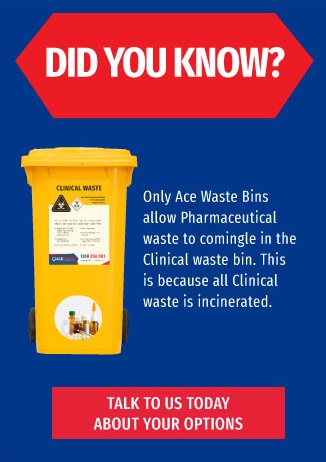
A reliable clinical waste disposal program fixes all three. It pairs the right containers with a collection schedule matched to your volumes, and gives you records showing exactly when waste was collected and how it was treated. High-temperature incineration remains the most secure treatment path for clinical and the only legal path for cytotoxic, anatomical and pharmaceutical waste streams, because it destroys the waste completely rather than sending treated material to landfill.
The test of a clinical waste program is simple: could you show an auditor, today, where every bin from the past month ended up?
If the answer is no, that is the first thing to fix.
Industrial and Commercial Waste: More Than a General Bin
Workshops, manufacturers, laboratories and logistics operators face a different problem. Their waste is varied, volumes change month to month, and several streams carry regulatory obligations that a standard bin service ignores.
Mechanic workshops generate oils, filters and solvent-soaked rags. Laboratories produce chemical and biological waste needing specialised treatment. Quarantine and shipping operators deal with biosecurity waste that must be destroyed under strict conditions. Each of these requires a licensed handler, correct containment and proof of destruction.
The practical approach is to map every waste type your site produces, then match each one to a compliant disposal path. A single provider covering all your streams beats juggling three contractors with three invoices and three sets of paperwork.
Why a Waste Audit Pays for Itself
Most Brisbane businesses are paying for waste capacity they do not need, while under-servicing the streams that carry real risk. A waste management audit looks at what you actually generate, how it is segregated, and whether your bin sizes and collection frequencies match reality.
Typical audit outcomes include right-sized clinical bins, fewer collections of half-empty containers, better segregation that pulls recyclables out of expensive streams, and documentation that stands up to inspection. For multi-site operators, an audit also standardises practice across locations so compliance does not depend on which site manager is on shift.
Choosing a Waste Management Partner in Brisbane
When you compare providers, look past the price per bin and ask:
- Do they own their treatment facility, or broker your waste to a third party?
- Are they licensed for every stream you generate, including cytotoxic and pharmaceutical?
- Can they provide collection and treatment records on demand?
- Will they audit your setup before quoting, or just drop bins and leave?
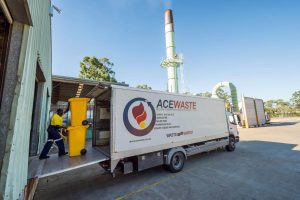
A partner who treats waste at their own Brisbane facility gives you a shorter chain of custody and clearer accountability, which is exactly what compliance officers want to see.
Ready to tidy up your waste program? Contact the Ace Waste team for a no-obligation chat about your site’s waste streams and collection needs.
Frequently Asked Questions –
Q1: Who is responsible for clinical waste once it leaves my Brisbane facility?
Your facility remains legally responsible until the waste is properly treated by a licensed processor. Under Queensland regulations, the duty of care sits with the waste generator, so choosing an unlicensed handler does not transfer that liability away from you.
Q2: What is the difference between clinical waste and cytotoxic waste?
Clinical waste covers materials contaminated with blood or bodily fluids such as gloves, dressings and treatment consumables. Cytotoxic waste is material contaminated by chemotherapy drugs and carries stricter handling and disposal requirements. Neither stream can be mixed with general commercial waste.
Q3: How often should Brisbane businesses schedule clinical waste collections?
Collection frequency should match your actual volumes rather than a default schedule. A waste audit is the most accurate way to right-size your containers and collections, since overservicing wastes money and underservicing creates overflow and compliance risk.
Q4: What waste streams do industrial sites in Brisbane need to manage separately?
Workshops, labs and logistics operators typically generate oils, solvents, chemical and biological waste, and biosecurity waste, none of which can go into a general bin. Each stream requires a licensed handler, correct containment and documented proof of destruction.