As the end of the year approaches, many Australian businesses start preparing for the holiday shutdown. Equipment gets switched off, workspaces are tidied, stock is counted, and teams get ready for a well-earned break. But there is one task that deserves a place on every end-of-year checklist: hazardous waste clean-out.
Whether you operate a manufacturing facility, healthcare organisation, laboratory, workshop or commercial site, hazardous waste can accumulate throughout the year. Leaving it unattended during an extended shutdown can create safety risks, storage issues and unnecessary complications when operations resume.
A planned clean-out helps your team finish the year on the right note, with waste properly identified, stored and arranged for collection. With support from an experienced waste management provider like Ace Waste, you can prepare your site for the holiday period without leaving hazardous waste management until the last minute.
Why Schedule a Hazardous Waste Clean-Out Before the Holiday Shutdown?
During a normal working week, waste management can become part of the background routine.
Containers are filled, materials are set aside for collection, and staff focus on keeping daily operations moving. When a shutdown approaches, however, regular routines may pause while waste continues to require appropriate management.
Organising a clean-out before closing your doors helps address several important considerations.
Reduce workplace safety risks
Incorrectly stored hazardous materials can create risks for employees, contractors and anyone accessing the premises during the break. Identifying and managing these materials before the shutdown helps maintain a safer site.
Prevent storage problems
Waste containers may become damaged, leak or exceed their intended capacity if they are not monitored and managed correctly. Reviewing storage areas helps identify issues that need attention before staff leave.
Prepare for a smoother reopening
Returning to a workplace with unlabelled containers, accumulated waste or overdue collections can delay normal operations. A planned clean-out helps your team start the new year with a clearer workspace and more organised waste management arrangements.
Support environmental and regulatory responsibilities
Businesses must manage hazardous waste in accordance with the requirements applicable to their operations and location. Reviewing waste streams and arranging appropriate collection and treatment helps support those responsibilities.
What Hazardous Waste Should You Check Before the Shutdown?
The materials requiring attention will depend on your industry, processes and the types of waste generated at your site. An end-of-year review is a good opportunity to identify waste that has accumulated in storage areas, workshops, production spaces and maintenance rooms.
Common waste streams that may require specialised management include:
- Used oils and oily waste: Waste oils, oil-contaminated materials and residues generated during servicing and maintenance.
- Chemical waste: Unwanted chemicals, chemical residues, solvents and other materials requiring controlled handling.
- Contaminated containers: Drums, bottles and packaging that may retain hazardous residues.
- Paints, coatings and solvents: Leftover products and waste generated during painting, manufacturing or maintenance work.
- Batteries and electronic waste: Certain batteries and discarded electrical or electronic equipment that require specific handling and recycling arrangements.
- Clinical and related regulated waste: Healthcare facilities may need to review clinical waste and other regulated waste streams separately, according to their classification and applicable requirements.
Not every waste material is classified as hazardous, and different materials may require different collection and treatment methods. Avoid combining waste simply to clear space. Correct identification and segregation should come first.
Your Pre-Shutdown Hazardous Waste Clean-Out Checklist
A practical checklist helps make the clean-out manageable, even when your team is busy wrapping up end-of-year projects.
1. Inspect Your Waste Storage Areas
Walk through the site and review waste storage areas, chemical cupboards, workshops, maintenance rooms and other locations where waste may accumulate. Look for forgotten containers, damaged packaging, unclear labels and materials awaiting collection.
Pay attention to areas that may be overlooked during everyday operations. A small quantity of waste left behind in a storage room can still require proper assessment and handling.
2. Identify and Segregate Waste Correctly
Confirm what each waste container holds and check that it is appropriately labelled. Separate incompatible materials and keep different waste streams apart according to the relevant safety procedures.
If a container is unlabelled, leaking or contains an unknown substance, do not guess its contents or attempt to combine it with another waste stream. Restrict access where appropriate and seek competent advice on safe handling.
3. Review Containers and Storage Conditions
Check that waste is held in suitable, compatible containers and that storage arrangements remain appropriate for the materials involved. Inspect for visible damage, leakage and other issues that may need immediate attention.
Ensure hazardous waste is secured against unauthorised access and protected from conditions that could create additional risks. Any temperature control, ventilation, containment or separation requirements should be maintained throughout the shutdown.
4. Book Waste Collection Early
The end of the year can be a busy period for businesses and service providers alike. Waiting until the final day before closing can leave limited time to organise the right collection service.
Contact your waste management provider early, explain the waste streams involved, and confirm collection arrangements before your shutdown date. Share relevant details about the materials, quantities, containers and site access requirements so the collection can be planned appropriately.
5. Prepare Your Site for the Break
Before staff leave, confirm that waste storage areas are secure, containers are appropriately managed and any outstanding collection arrangements are documented. Make sure employees know who to contact if a waste-related issue arises during the shutdown.
If hazardous waste must remain on-site, do not assume it can simply be left unattended. Ensure storage conditions, inspection requirements and emergency arrangements remain suitable for the entire closure period.
What Happens If Hazardous Waste Is Left Until the New Year?
Putting off waste management may seem convenient when deadlines are approaching, but it can create avoidable problems.
Poorly managed hazardous waste may lead to spills, exposure risks, environmental contamination and additional clean-up requirements. Incorrect storage or mixing incompatible substances can also create serious safety concerns.
There may be operational consequences, too. If waste containers are full, storage space is limited or collections have not been arranged, your team may struggle to restart work efficiently. Additional handling and urgent collection arrangements can also place pressure on your budget.
A pre-shutdown clean-out helps identify these issues while staff and resources are still available to address them. It is a straightforward way to reduce last-minute pressure and establish better waste management practices for the year ahead.
How Ace Waste Can Help with Your End-of-Year Clean-Out
Managing hazardous waste involves more than clearing containers from your premises. Businesses need to understand their waste streams, use suitable containment, arrange appropriate transport and ensure the material reaches an authorised treatment or disposal destination.
Ace Waste provides specialised waste management services to businesses across Queensland, helping organisations manage regulated waste streams through appropriate collection and treatment arrangements.
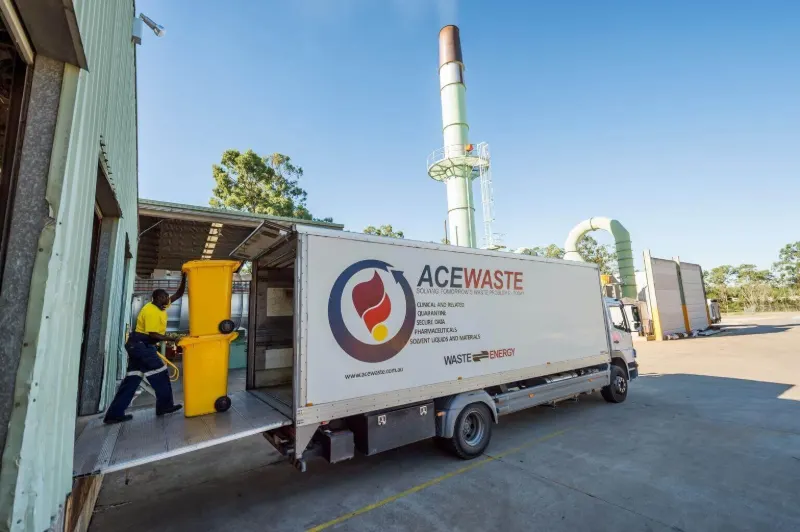
With experience in industrial and hazardous waste management, Ace Waste can help businesses assess their requirements and plan suitable waste collection services. Its capabilities include specialised treatment infrastructure, with high-temperature incineration available for appropriate waste streams.
Planning ahead also gives your team an opportunity to discuss the types and quantities of waste generated at your site, clarify handling requirements and arrange collection before your operations pause for the holidays.
Every business has different waste management needs, so the right approach will depend on your industry, materials and applicable state or territory requirements. Speaking with an experienced provider early can help you determine the most appropriate arrangements for your site.
Start the New Year with a Cleaner, Safer Workplace
An end-of-year hazardous waste clean-out does not need to become another last-minute task. With a little planning, your team can identify accumulated waste, check storage conditions, organise appropriate collections and prepare the site for the holiday shutdown.
More importantly, it helps ensure hazardous waste remains a priority even when regular operations pause. Taking care of it before the break can reduce avoidable risks, support environmental responsibilities and make the return to work more straightforward.
Planning your end-of-year hazardous waste clean-out? Contact Ace Waste or call 1300 850 901 to discuss your waste management requirements and arrange a suitable collection service. Get your site ready for the shutdown and start the new year with greater confidence.
Frequently Asked Questions
1) When should businesses arrange an end-of-year hazardous waste clean-out?
Ideally, start planning several weeks before your shutdown. This gives your team time to inspect storage areas, identify waste streams, prepare containers and arrange collection before holiday schedules affect availability.
2) Can hazardous waste be left on-site during a holiday shutdown?
Some hazardous waste may need to remain on-site until an appropriate collection can be arranged. However, it must be correctly classified, securely contained and stored under suitable conditions, with any required monitoring and safety measures maintained throughout the shutdown. Requirements vary depending on the waste type and jurisdiction.
3) What should businesses do with unidentified or leaking hazardous waste?
Do not handle, open, mix or dispose of unknown materials through general waste. Restrict access where appropriate, follow your site’s emergency procedures and seek advice from a competent hazardous waste professional. If there is an immediate danger, follow your emergency response plan and contact emergency services when necessary.